
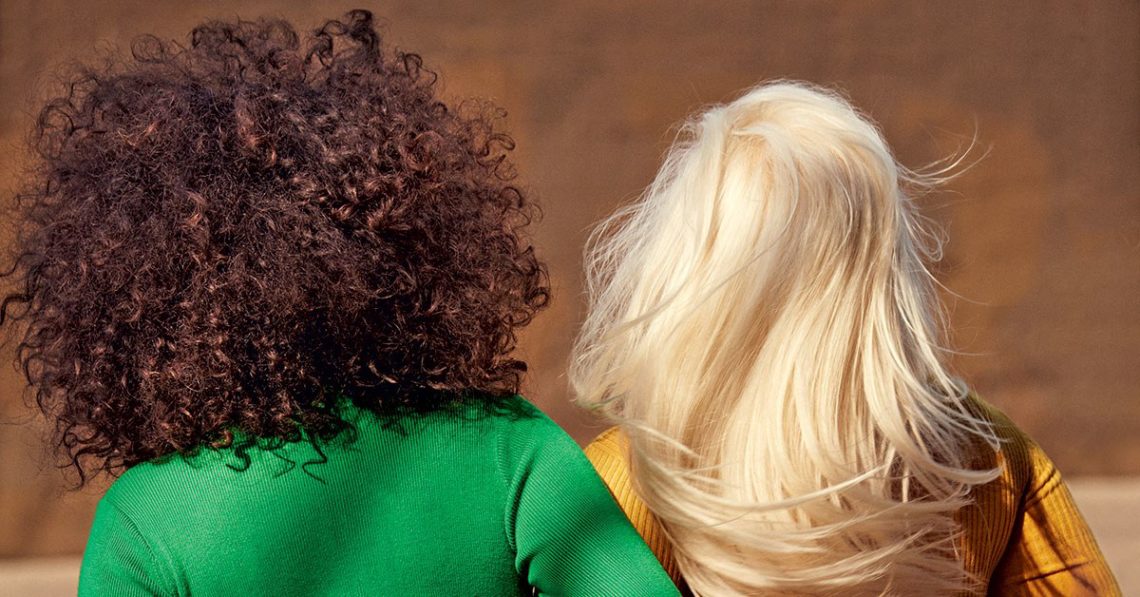
Is this a new form of race discrimination? Sadly, it’s not new, and it’s not novel. Minorities have been discriminated against based on hair for years.
In 2017, Mya and Deana Cook, twin sisters in Massachusetts, had to serve detention after school officials determined that their braids violated school policy.
In August 2018, Clinton Stanley Jr., a 6-year-old student at Book’s Christian Academy in Florida, was sent home from school on account of his hair. The child’s father was told that the school handbook states that boys are not permitted to have locs.
In September 2018, officials at Christ the King middle school in Terrytown, Louisiana, informed one of their students that she was being expelled from the school because her “extensions,” (braids), were unacceptable under their school code.
In December 2018, Andrew Johnson, a black New Jersey teenager, was made to cut his dreadlocks by a white referee if he wanted to continue participating in his school’s wrestling match.
In New York, it is now illegal. The New York City Commission on Human Rights will be able to impose a penalty of up to $250,000 on those who harass, demote or fire individuals because of their hair.
The new guidelines describe the following hairstyles as not to be subjected to discrimination: “natural hair, treated or untreated hairstyles such as loss, cornrows, twists, braids, Bantu knots, fades, Afros, and/or the right to keep hair in an uncut or untrimmed state.”
The guidance advises employers that requirements around “maintaining a work appropriate appearance” are acceptable, but warns that policies “that ban, limit, or otherwise restrict natural hair or hairstyles associated with Black people generally violate the NYCHRL’s anti-discrimination provisions.” Further, facially neutral grooming policies may also violate City Law if an employer enforces an ostensibly neutral policy only against Black employees.
Employers in New York are having to take a closer look at their grooming and appearance policies. All employers should take a closer look at their policies to ensure that their grooming and appearance policies don’t give rise to other types of discrimination claims, including religious, disability, age or gender-based claims.
Contact the Arefin Law Office, LLC for compliant policies and procedures, as well as on-site training for your employees and management.